Why 48 Teams Reshaped World Cup 2026
The 2026 football world cup will feature 48 national teams across Canada, Mexico, and the United States, creating a 104-match tournament from June 11 to July 19, FIFA World Cup 26 expands the field fr...

Why 48 Teams Reshaped World Cup 2026
The 2026 football world cup will feature 48 national teams across Canada, Mexico, and the United States, creating a 104-match tournament from June 11 to July 19, 2026. FIFA World Cup 26 expands the field from 32 teams and introduces a 12-group format, with the top two sides and eight best third-place teams advancing to a 32-team knockout stage. Matches will be played in 16 host cities, including Los Angeles, Atlanta, Mexico City, Toronto, and New York/New Jersey, while the final is scheduled for MetLife Stadium in East Rutherford, New Jersey. Los Angeles will host eight matches and 39 days of fan celebrations, whereas Atlanta is scheduled to stage a semifinal. The practical takeaway is simple: track travel, rest, group ranking rules, and venue conditions alongside team quality before judging any prediction.
The first thing to understand is that this is not merely the old World Cup with sixteen extra shirts hanging in the dressing room. The expanded format changes qualification pressure, squad rotation, travel planning, and the mathematics of reaching the knockout phase. FIFA has chosen ambition, naturally, because ambition is the polite word used when more matches also mean more broadcasting inventory, more sponsorship exposure, and more opportunities for somebody to sell you an official scarf.
For supporters, that expansion brings genuine advantages. More countries will experience the main tournament, emerging teams gain a larger stage, and fans can follow matches across three football cultures rather than one. For analysts, however, the tournament becomes harder to read. A strong team may face a softer opening group but then confront exhausting logistics, while a supposedly minor side may benefit from familiar climate, short travel, and a raucous home-region audience.
At Pitch Notes, the useful question is not simply “Who will win the 2026 football world cup?” It is “Which evidence survives once the marketing noise, early hype, and sentimental predictions are removed?” That means comparing squad depth, recent competitive form, tactical flexibility, injuries, rest days, and host-city conditions before making any football or betting assessment.
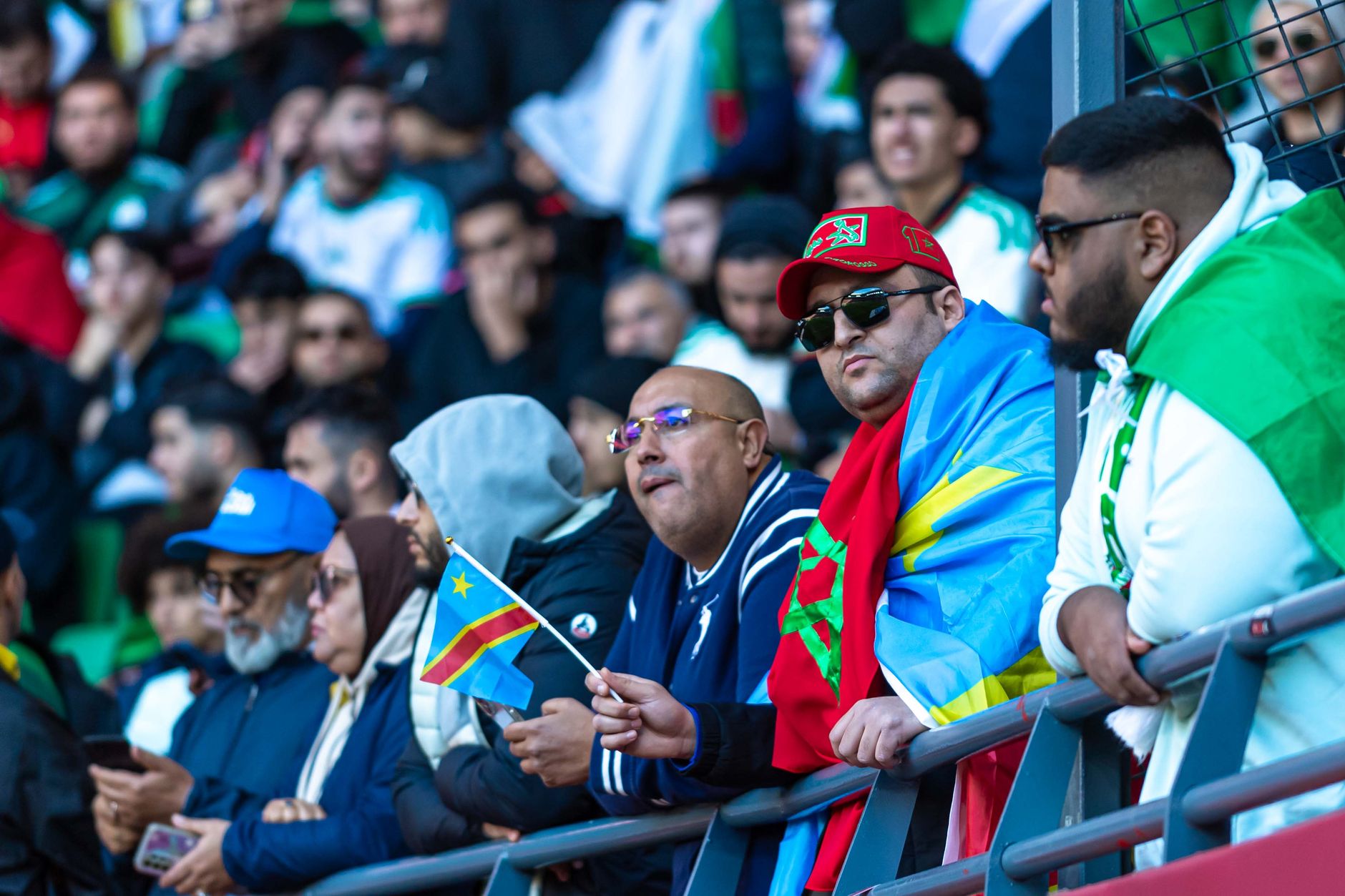
Photo by Guylain Kipoke on Pexels
Want a sharper starting point for tournament research?
Step 1: Map the 2026 football world cup structure
The 2026 football world cup has 48 teams, 12 groups of four, and 104 total matches across Canada, Mexico, and the United States. The top two teams in each group qualify automatically, joined by the eight best third-place teams. The knockout stage therefore begins with 32 teams rather than the previous 16.
That format creates an odd strategic wrinkle. In a traditional four-team group, three points could be precious and four might feel nearly miraculous; in 2026, a third-place team can survive with a modest record if its goal difference and points compare favorably with teams elsewhere. The danger is assuming that “two wins is enough” or that one draw ends a campaign. It does not work so cleanly. Group strength, disciplinary records, goals scored, and tie-breaking procedures may all become relevant when several teams finish close together.
The official FIFA World Cup 2026 competition information is the proper reference for the evolving schedule and regulations. FIFA’s basic competition principle remains clear: “The Laws of the Game apply to all matches,” but tournament-specific ranking and registration details deserve separate attention. That is the sort of fine print most previews bury beneath a photograph of a famous striker looking dramatically into the distance.
For practical analysis, separate the tournament into four layers:
- Group survival: points, goal difference, and third-place ranking.
- Knockout positioning: likely opponents and bracket routes.
- Physical management: rest, travel, heat, and squad rotation.
- Match context: venue, kickoff time, crowd, and tactical matchup.
To understand how this affects individual teams, see our [Internal Link: 2026 World Cup group-stage analysis].
Step 2: Compare host cities, venues, and travel demands
How much can a host city influence the 2026 football world cup? It can affect preparation, recovery, and match rhythm through climate, altitude, distance, surface, kickoff time, and crowd composition. The tournament spans 16 venues, with major locations including SoFi Stadium near Los Angeles, Mercedes-Benz Stadium in Atlanta, Estadio Azteca in Mexico City, BMO Field in Toronto, and MetLife Stadium in East Rutherford.
The geography is the inconvenient truth. A team moving from Vancouver to Miami is not simply changing hotel wallpaper; it is crossing thousands of miles and shifting time zones, humidity, temperature, and training routines. Mexico City adds altitude considerations, while Atlanta can deliver heavy summer heat and humidity. Los Angeles presents its own logistical puzzle because a match marketed as a glamorous city event may still involve long road journeys through traffic that has humbled better-organized civilizations.
Los Angeles will host eight FIFA World Cup matches, including the United States men’s national team opening match at SoFi Stadium on June 12, according to local tournament organizers. The city also plans the FIFA Fan Festival at the LA Memorial Coliseum and 39 days of fan celebrations. Atlanta, meanwhile, is positioned as a major knockout destination and is scheduled to host a semifinal at Mercedes-Benz Stadium, giving the city importance beyond its group-stage fixtures.
A useful contrarian adjustment is to treat travel as a cumulative cost rather than a single disadvantage. A one-time long flight may not matter much, but repeated travel combined with short recovery windows can reduce pressing intensity and substitution flexibility. Before backing a favorite, record:
- Previous match location and next match location.
- Time-zone changes between fixtures.
- Expected temperature and humidity.
- Stadium roof or open-air conditions.
- Number of days available for recovery.
- Whether the coach can rotate without weakening the team.

Photo by Ramaz Bluashvili on Pexels
Get the venue details before trusting a headline prediction.
Step 3: Evaluate teams beyond famous names
Why should supporters look beyond star players when assessing the 2026 football world cup? Because tournament football is decided by depth, defensive transitions, set pieces, and recovery as much as by individual brilliance. A team may possess a Ballon d’Or contender yet lack a reliable second striker, a ball-winning midfielder, or a replacement center-back when fatigue and suspension arrive.
The expanded 48-team field makes this more important. Coaches may face three group matches followed by as many as four knockout games before the final, meaning a starting eleven cannot carry every minute without consequences. A useful squad audit should include the goalkeeper’s distribution, full-back cover, central-defense pace, midfield progression, set-piece delivery, and the quality of substitutes from minute 60 onward. Yes, the bench matters. Football has been explaining this for decades, but people still place their faith in the first eleven because it looks better on a graphic.
Recent form also needs context. A team winning six friendly matches against limited opposition should not be rated like a side surviving difficult UEFA Nations League or CONMEBOL competition. Compare competitive fixtures, opponent quality, expected goals, shots allowed after turnovers, and performance when conceding first. The Union of European Football Associations and Confederación Sudamericana de Fútbol provide competition context that simple win-loss records often hide.
Pitch Notes’ practical method is to score each contender from 1 to 5 in six categories:
- Starting XI quality.
- Bench reliability.
- Tactical flexibility.
- Set-piece threat and defense.
- Injury resilience.
- Performance against top-level opponents.
One information gain worth keeping in your notebook: a team’s pressing numbers can look excellent in qualifying while collapsing against opponents that bypass the first line with long diagonal passes. Therefore, do not compare pressing statistics without checking possession quality and opponent build-up style.
Explore our [Internal Link: team tactics and player statistics hub] before forming a final view.
Step 4: Read the knockout path, not just the group table
What makes a 2026 World Cup knockout path difficult to judge? The 32-team knockout stage creates more possible routes, and the best group winners may not always receive the cleanest practical journey. Bracket position, rest days, opponent style, venue changes, and previous travel can matter as much as nominal ranking.
The group stage invites lazy conclusions. A team finishing first may appear to have earned an obvious advantage, but its route could include a physically aggressive opponent with a deep defensive block, followed by a technically superior side that thrives in transition. Another team finishing second may face a more familiar tactical matchup and travel less. The bracket is not a moral reward system; it is a piece of architecture, and architecture occasionally puts the bathroom beside the kitchen.
When examining likely routes, create a match-by-match map rather than discussing “the left side” or “the difficult half” in vague terms. Note projected opponents, venue, kickoff window, rest interval, and whether the team has already crossed a time zone. Then ask whether the manager has previously adapted formations during a tournament. A 4-3-3 that becomes a 3-2-5 in possession is not automatically superior; it is useful only if players understand the rotations under pressure.
For match predictions and responsible betting analysis, avoid treating implied probability as certainty. Odds express a market position, not divine knowledge. Check line movement, confirmed injuries, starting lineups, and weather near kickoff. Never stake money needed for living expenses, and remember that even a well-researched edge can disappear across a small sample of matches.

Photo by Tima Miroshnichenko on Pexels
Ready to compare potential knockout routes with more discipline?
Step 5: Verification
How should you verify a 2026 football world cup prediction before publication or a wager? Confirm the fixture, venue, kickoff time, squad availability, competition status, and current odds using primary or reputable sources. Schedule pages change, injuries develop, and social media confidently spreads information that was never true in the first place.
Use a short verification checklist:
- Confirm the match on FIFA’s official schedule.
- Check the latest squad announcement from the national federation.
- Verify injuries through reputable club or federation reporting.
- Review the last five competitive matches, not only friendlies.
- Compare home-region travel and rest intervals.
- Recalculate probabilities after lineup news.
- Set a fixed stake and a maximum daily loss limit.
The United States Soccer Federation, Canada Soccer, and Federación Mexicana de Fútbol Asociación are useful federation-level references for host-nation updates. For venue operations, rely on official stadium and local tournament pages rather than anonymous posts claiming that a match has moved because someone’s cousin works security.
A second practitioner-level insight is that verification should happen twice: once 24 hours before kickoff and again after official lineups are released. The first check catches travel, suspension, and weather issues; the second catches tactical surprises. A star listed as available may still be benched, and a team’s entire attacking profile can change when its preferred holding midfielder is absent.
Troubleshooting common failures
Why do World Cup predictions fail even when the analyst knows the teams? The most common causes are stale information, overconfidence in reputation, ignored travel effects, and confusion between statistical correlation and tactical causation. A prediction built on last year’s lineup is not research; it is nostalgia wearing a spreadsheet.
When a model or preview produces an implausible result, investigate the input rather than forcing the conclusion. Check whether friendly matches were weighted too heavily, whether opponent strength was adjusted, whether penalties distorted scoring data, and whether venue conditions were treated consistently. Also inspect sample size: five matches can reveal a trend, but they cannot prove a permanent tactical transformation.
Typical failures include:
- Outdated squad data: replace projected lineups with official team news.
- Venue blindness: add climate, altitude, and travel to the match profile.
- Name-based analysis: measure current minutes, output, and role.
- Ignoring substitutions: evaluate the bench from minute 60 onward.
- False certainty: express a range of outcomes instead of one absolute claim.
- Uncontrolled betting: use a pre-set bankroll limit and stop after losses.
The most stubborn failure is emotional attachment. Fans of Brazil, Argentina, England, France, Spain, Germany, the United States, Mexico, or Canada will recognize the symptoms: selective memory, heroic excuses, and an impressive ability to call every warning sign “character.” Supporting a team is wonderful. Pretending support is evidence is how the tournament quietly takes your money and your sleep.
For related checks, read our [Internal Link: responsible football betting guide].
Conclusion: Prepare for a longer, stranger tournament
The 2026 football world cup will be larger, more geographically demanding, and less predictable than the 32-team editions many supporters grew up watching. Forty-eight teams, 104 matches, 16 host cities, Los Angeles’ eight fixtures, Atlanta’s semifinal, and the July 19 final at MetLife Stadium together create a competition where travel and tournament structure deserve equal billing with star power.
The best approach is neither blind optimism nor exhausted cynicism, though I’ll be honest with you: cynicism has saved me from more bad predictions than optimism ever did. Build a team profile, map the schedule, verify the news twice, compare tactical matchups, and treat odds as probabilities rather than promises. Then watch the football for what it is: a beautiful contest that can still turn on one deflection, one tired full-back, or one goalkeeper having a strangely heroic evening.
Follow Pitch Notes for daily 2026 World Cup match predictions, team tactics, player statistics, and tournament coverage, while keeping every betting decision measured and affordable.
Start building your tournament watchlist today.
Frequently Asked Questions
Q: What is the 2026 football world cup format?
A: The 2026 football world cup will feature 48 teams divided into 12 groups of four. The top two teams in each group, plus the eight best third-place teams, will advance to a 32-team knockout stage. The tournament will contain 104 matches across Canada, Mexico, and the United States, making it the largest FIFA World Cup edition to date.
Q: When does the 2026 World Cup start and end?
A: The tournament is scheduled to begin on June 11, 2026, and end with the final on July 19, 2026. The opening match will be played in Mexico City, while the final is scheduled for MetLife Stadium in East Rutherford, New Jersey. Confirm exact kickoff times through FIFA because broadcast schedules and local logistics may be updated.
Q: Where will the 2026 football world cup final be played?
A: The 2026 World Cup final is scheduled for MetLife Stadium in East Rutherford, New Jersey. The venue is part of the New York/New Jersey host region and will stage the tournament’s closing match. Visitors should plan accommodation and transport early because regional demand may affect hotel availability, road traffic, and public transit capacity.
Q: How many matches will Los Angeles host during the 2026 World Cup?
A: Los Angeles will host eight FIFA World Cup matches at SoFi Stadium. The city will also run a FIFA Fan Festival at the LA Memorial Coliseum and organize 39 days of fan celebrations across the region. Supporters should distinguish official ticketed matches from free or separately managed fan events before planning their trip.
Q: Why is Atlanta important to the 2026 football world cup?
A: Atlanta is important because Mercedes-Benz Stadium is scheduled to host a semifinal. The city presents a major football and events market, supported by Atlanta United’s established fan culture and extensive transport connections. Heat, humidity, and recovery planning may become relevant factors for teams playing in Atlanta during the summer tournament.
Q: How should I research a 2026 World Cup match prediction?
A: Start by checking the official fixture, venue, kickoff time, injuries, suspensions, and confirmed lineups. Then compare recent competitive form, opponent quality, tactical styles, set pieces, substitutions, rest days, and travel distance. If betting is involved, calculate an affordable fixed stake, avoid chasing losses, and treat every prediction as uncertain rather than guaranteed.
Q: What should I do if World Cup information changes before kickoff?
A: Recheck FIFA, the relevant national federation, the host-city organizer, and reputable sports reporting before acting. Schedule changes, lineup decisions, weather, and late injuries can alter a match assessment within hours. Do not rely on screenshots or anonymous social-media claims, and delay any decision until the fixture and starting elevens are verified.
Intelligence received.
Pitch Notes · Intelligence Feed · Protocol v1.0