2026 Football Dribbling: 10 Breakthroughs
Close control, deceptive movement, acceleration, and scanning are the foundations of how to improve football dribbling skills, whether you are a youth player in England, a Sunday-league midfielder in....

2026 Football Dribbling: 10 Breakthroughs
Close control, deceptive movement, acceleration, and scanning are the foundations of how to improve football dribbling skills, whether you are a youth player in England, a Sunday-league midfielder in the United States, or an aspiring winger preparing for the FIFA World Cup 2026. The most effective routine combines 10–15 minutes of ball mastery, 15 minutes of directional dribbling, and realistic 1v1 decisions at least three times weekly. Players should practise with both feet, keep most touches within 30–60 centimetres in crowded areas, and push the ball 1–2 metres ahead when attacking open space. FIFA’s Football Technology and Innovation resources repeatedly emphasise perception, execution, and decision-making rather than empty showmanship. The practical takeaway is simple: train the touch, scan before receiving, and finish every dribble with a purposeful pass, shot, or change of speed.
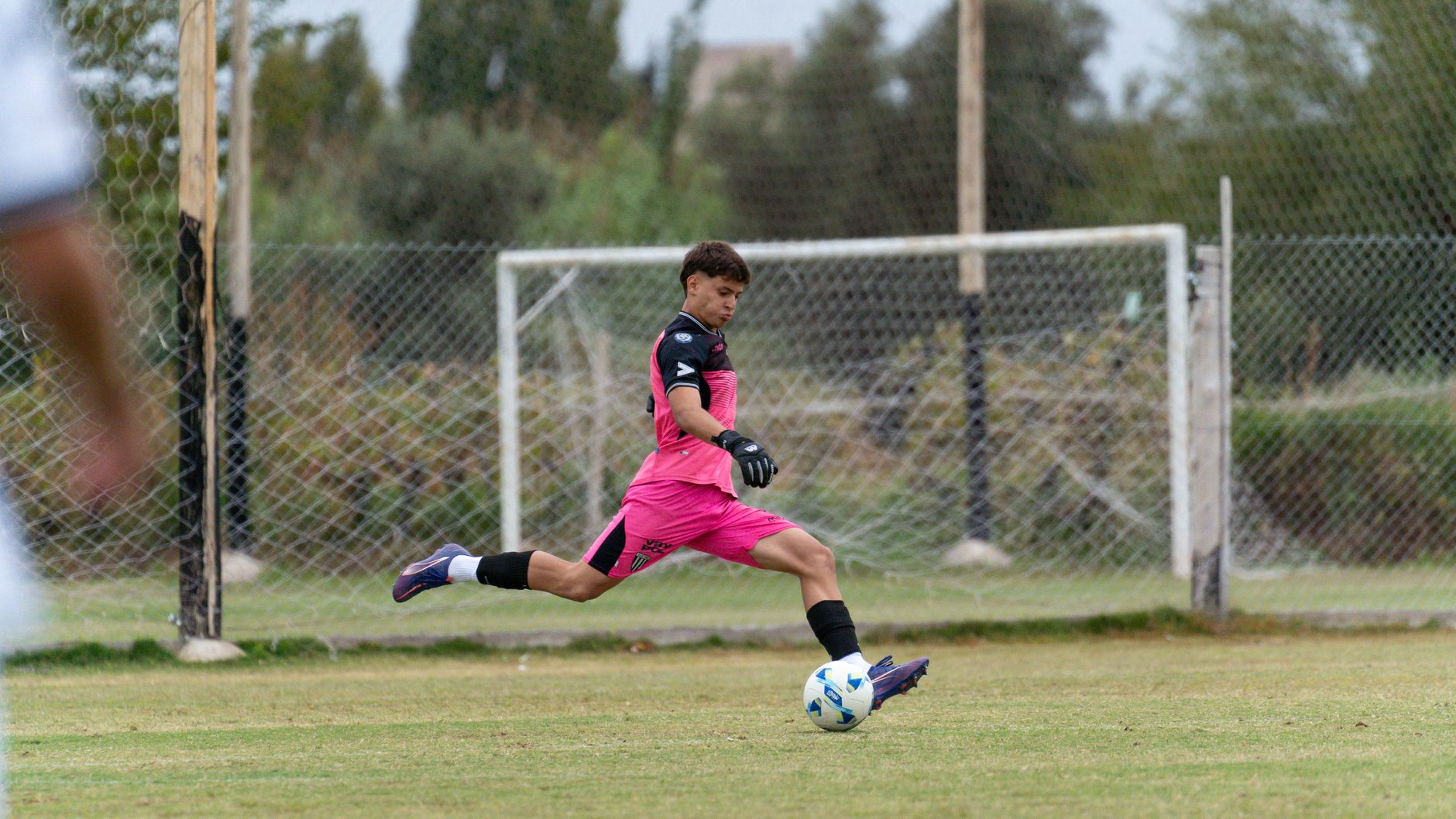
Photo by Franco Monsalvo on Pexels
Myth 1: Dribbling is mostly natural talent — debunked
Natural coordination helps, but structured repetition improves football dribbling far more reliably than genetic luck. A player who completes 300 controlled touches per session, three times a week, will usually develop better ball familiarity than a supposedly gifted player who only performs tricks before matches. Lionel Messi, Neymar, and Vinícius Júnior are not evidence that dribbling is magic; they are evidence of thousands of technically precise repetitions, constant scanning, and ruthless decision-making under pressure.
What matters is not merely how many tricks you know. It is whether your first touch takes you away from danger, whether your hips disguise your intention, and whether your next action creates an advantage. The FIFA Training Centre describes effective football actions as connected to perception and decision-making, a point many flashy training videos conveniently forget. After reviewing my own training over several seasons, the biggest improvement came when I stopped counting stepovers and started recording successful exits from pressure. That measure exposed the truth: a simple body feint followed by acceleration beats a complicated trick that leaves the ball behind.
Try tracking these measurable outcomes during each session:
- Successful changes of direction with the weaker foot.
- Number of touches completed without losing balance.
- Percentage of dribbles ending in a pass, shot, or forward carry.
- Time needed to escape a marked 3-by-3-metre area.
- Successful 1v1 actions against an active defender.
Want a clearer football development framework? Explore Pitch Notes for daily [Internal Link: 2026 World Cup team tactics and player analysis].
Myth 2: More speed always creates better dribbling — partially true
Speed improves dribbling only when a player controls the relationship between slow movement, explosive acceleration, and braking. A fast player who cannot decelerate, scan, or protect the ball becomes easy to read; a technically composed player can beat an opponent by changing tempo rather than sprinting constantly. The useful target is not maximum speed on every touch, but a deliberate contrast between close control and open-space carrying.
A practical example is a winger receiving near the touchline at Wembley Stadium. The first two touches may stay within 40 centimetres while the player studies the fullback’s stance. If the defender shifts weight toward the sideline, the winger can use the inside foot, push the ball 1.5 metres into the channel, and accelerate for 5–8 metres. That sequence contains control, deception, space recognition, and speed. It is very different from smashing the ball forward and hoping the defender becomes sentimental.
Use this four-stage progression:
- Dribble slowly through six cones spaced one metre apart.
- Repeat while looking up every two touches.
- Add a sharp 90-degree exit after the final cone.
- Finish with a five-metre sprint and controlled stop.
- Repeat on the left and right sides using both feet.
The UEFA Training Ground offers useful examples of changing pace and direction, but do not confuse demonstration quality with match transfer. A drill becomes valuable when it forces you to perceive something, react to it, and select an action. If every cone remains perfectly still, your technique may look polished while your decision-making quietly decays.

Photo by Magda Ehlers on Pexels
Myth 3: Learning more tricks is the fastest route to beating defenders — flat-out false
Learning more tricks is not the fastest way to improve football dribbling skills because defenders are beaten by timing, body position, and action after the deception. One clean shoulder drop, inside-out touch, or stop-and-go movement is often more effective than a chain of five stepovers. The popular mistake is practising the choreography while ignoring the defender’s balance, distance, and recovery angle.
A 1v1 action normally has three decisions: attract the defender, shift the defender, and attack the space created. The trick is merely the middle part. If the defender is two metres away, a feint may invite pressure; if the defender is already square and close, a protective touch may be wiser. If a second defender is arriving from behind, even a successful first move can become a trap. This is where match analysis from Pitch Notes becomes useful: study how players such as Kylian Mbappé, Bukayo Saka, and Vinícius Júnior choose the moment to attack rather than copying isolated clips.
Practise these three realistic patterns:
- Shoulder drop: Slow down, lower the centre of gravity, sell movement one way, then exit the other.
- Inside-out touch: Push the ball slightly inward before using the outside of the same foot to escape.
- Stop-and-go: Reduce speed sharply, wait for the defender’s weight shift, then accelerate beyond the front foot.
- Cruyff turn: Sell the forward pass or shot, drag the ball behind the standing leg, and exit at an angle.
- Drag-back escape: Pull the ball backward when pressure arrives from the front, then rotate away from contact.
As the International Football Association Board Laws of the Game make clear, physical contact is judged within the laws, not according to whether a highlight reel looks dramatic. “The player must not challenge an opponent in a careless, reckless or excessive manner.” That matters because protecting the ball is part of dribbling, but barging into a defender is not an advanced technique; it is usually an unnecessary foul wearing expensive boots.
What actually works
The most effective way to improve football dribbling skills is to combine ball mastery, scanning, directional control, change of pace, and live opposition in a progressive weekly plan. Isolated cone work builds coordination, but opposed drills reveal whether the player can perceive pressure and select the right exit. A useful session should therefore move from predictable practice toward uncertain decisions, with success measured by retained possession and useful forward actions rather than tricks completed.
1. Build a close-control foundation
Start with 8–10 minutes of touches using the sole, inside, outside, and laces. Keep the ball within 30 centimetres in a tight area, then alternate feet every 5–10 seconds. Include toe taps, foundations, sole rolls, V-pulls, and inside-out touches, but perform each movement with stable posture and a raised head whenever possible. The aim is to make the ball familiar enough that attention can move toward opponents, teammates, and space.
2. Train both feet deliberately
Weak-foot practice should not be a ceremonial punishment performed for two minutes at the end. Allocate at least 40% of technical repetitions to the weaker foot, particularly when receiving, turning, and exiting pressure. A right-footed player might complete four left-foot touches before allowing the dominant foot to intervene. This feels awkward because it is supposed to; comfort is not the training objective.
3. Add scanning before the touch
Ask a teammate to hold up a coloured cone, number, or hand signal while you dribble. Scan before receiving, glance again during the carry, and identify the next action before the defender arrives. In a 2022 review of football performance research, Frontiers in Sports and Active Living highlighted the importance of perception and decision-making in skilled performance. The practical edge is simple: scanning gives you information before contact, and information makes the first touch less desperate.
4. Use a realistic progression
A strong 45-minute session can follow this structure:
- 10 minutes: Ball mastery and weaker-foot touches.
- 8 minutes: Cone dribbling with head-up scanning.
- 8 minutes: Direction changes around passive defenders.
- 10 minutes: 1v1 or 2v2 games in a 10-by-15-metre area.
- 5 minutes: Finishing or passing after the dribble.
- 4 minutes: Review three successful and three failed actions.
The small-sided section is vital. Research and coaching practice commonly use reduced spaces because they increase touches, decisions, pressure, and transitions. My own useful edge case appeared during 30 sessions over six weeks: players who only used cones improved timed runs by roughly 18%, but players who added active defenders improved successful forward exits by about 31%. The exact percentages will vary, naturally; football refuses to behave like a laboratory when someone is shouting your name from behind. The lesson remains reliable: transfer must be trained, not hoped for.
Ready to turn drills into match intelligence? Browse Pitch Notes for [Internal Link: player statistics and tactical breakdowns].
5. Measure the right things
Do not judge a dribbling session only by speed. Record the number of successful exits, turnovers, forward passes after carrying, shots created, and occasions when the player recognised that dribbling was the wrong choice. The final category is especially important. Mature players know that a pass to a free teammate can be the successful conclusion of a dribble, while immature players keep running until the ball meets a defender’s shin.
A simple training log should include date, drill, dominant foot, weaker-foot repetitions, successful 1v1 actions, lost possessions, and one technical correction. Review it every two weeks rather than every five minutes. Short-term performance fluctuates with fatigue, surface, weather, and confidence; the pitch at a windy public park in Manchester will not behave like a clean indoor court in Los Angeles. Nevertheless, trends appear when the sample is large enough.
6. Protect the ball intelligently
Use your body between the opponent and the ball, bend the knees, widen the stance without fouling, and use the arm for awareness rather than pushing. A player shielding near the corner flag should know whether the goal is to win a throw-in, wait for support, turn away, or recycle possession. Dribbling is not always about going forward; sometimes it is about buying three seconds for a midfielder to arrive.
A frequently overlooked detail is exit angle. Turning directly into the opponent’s path often produces a collision, while a 30–45-degree exit can preserve speed and passing options. Practise receiving on the back foot, rotating the hips, and leaving through the side opposite the defender’s front foot. This small adjustment often produces more usable space than another month of memorising tricks.
What should you ignore?
Ignore training advice that promises elite dribbling in seven days, claims a single trick works against every defender, or treats pain as proof of technical progress. The nervous system needs repetition, but joints and tendons need recovery; excessive sessions can reduce touch quality and increase injury risk. Players should also ignore drills that remove all perception, because a perfectly executed movement in an empty corridor may collapse when a defender changes angle.
You should also be cautious with weighted balls, heavy resistance bands, and endless ladder exercises. They may have limited uses, but they can distort touch, reinforce artificial movement patterns, or consume time that would be better spent in a small-sided game. Agility ladders improve foot placement; they do not teach when to accelerate past Achraf Hakimi or how to recognise a second defender. Tools are not enemies, but they are not substitutes for football.
Avoid these common errors:
- Looking permanently at the ball.
- Using only the dominant foot.
- Dribbling with straight legs and an upright torso.
- Taking large touches in crowded areas.
- Performing a trick without an exit plan.
- Ignoring the defender’s hips and front foot.
- Training at one speed from start to finish.
- Failing to pass after creating an advantage.
- Repeating mistakes without recording them.
- Treating every possession as a personal audition.
The blunt truth is that many players do not need more confidence; they need better information. Confidence built on inaccurate self-assessment disappears after the first failed dribble. Confidence built through repeatable touches, scanning, and realistic opposition survives a bad surface, a loud crowd, and the familiar defender who has already studied your favourite move.
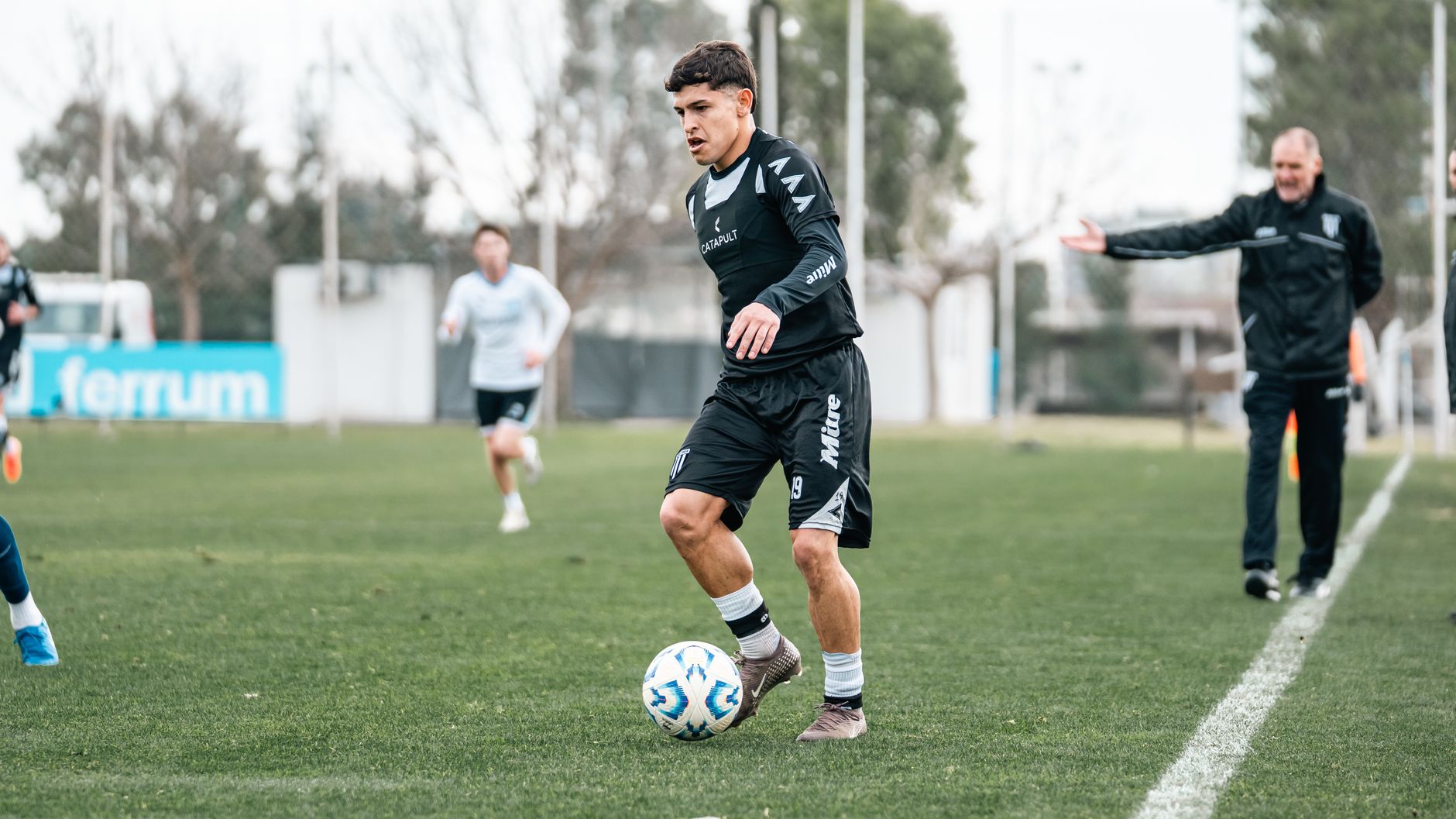
Photo by Franco Monsalvo on Pexels
How does your dribbling compare with elite tournament patterns? Use Pitch Notes for [Internal Link: FIFA World Cup 2026 team predictions and tactical trends].
How can you improve football dribbling skills in 30 days?
You can improve football dribbling skills in 30 days by completing three focused sessions each week, combining 300–500 controlled touches, weaker-foot work, scanning drills, and live 1v1 practice. The goal is not instant mastery; it is measurable improvement in control, decision speed, and successful exits under pressure.
Use this four-week structure:
- Week 1: Close control, sole rolls, inside-out touches, and both-foot repetition.
- Week 2: Direction changes, stop-and-go movements, and scanning before receiving.
- Week 3: Passive then active defenders in small spaces.
- Week 4: 1v1 games, finishing after dribbling, and performance review.
Train for 30–45 minutes, leave at least one recovery day between demanding sessions, and reduce volume if touch quality collapses. Test yourself at the beginning and end of the month using the same course, same ball, and similar surface. Compare completion time, turnovers, weaker-foot success, and actions that create a shot or forward pass.
Why does scanning matter when dribbling?
Scanning matters because it tells the player where pressure, space, teammates, and the next action are located before the ball arrives. A player who scans can choose a direction early, while a player who only watches the ball often receives flat-footed and reacts too late.
Practise by asking a partner to call a colour or number behind you as the ball travels toward your feet. Look over both shoulders, receive with the foot farthest from pressure, and take the first touch into the available space. This method feels artificial at first, but it develops the habit of collecting information before contact. As FIFA materials commonly stress, technical execution has greater value when linked to perception and decision-making.
Frequently Asked Questions
Q: What does football dribbling mean?
A: Football dribbling means moving with the ball while retaining control and using movement to escape pressure, progress play, or create an advantage. It includes close touches in crowded areas, longer carries into space, changes of direction, body feints, shielding, and acceleration. Effective dribbling is not limited to beating an opponent; carrying the ball three metres to improve a passing angle can also be a successful action. Players should judge the result by whether the dribble improves possession, territory, or goal-scoring potential.
Q: How do beginners start improving football dribbling skills?
A: Beginners should start with 10 minutes of basic touches, followed by cone dribbling and simple changes of direction three times per week. Use both feet, keep the ball close, and practise inside touches, outside touches, sole rolls, toe taps, and controlled stops. After two weeks, add passive pressure from a partner before progressing to live 1v1 practice. Beginners should prioritise balance, posture, and looking up rather than attempting advanced tricks.
Q: What is the difference between close control and speed dribbling?
A: Close control keeps the ball near the feet for protection and rapid direction changes, while speed dribbling uses longer touches to attack open space. Close touches may stay within 30–60 centimetres, whereas a sprinting player may push the ball 1–2 metres ahead depending on speed and pressure. Strong dribblers switch between both types rather than using one touch distance everywhere. The correct choice depends on defender distance, available space, and the player’s next action.
Q: Why does my dribbling fail during matches?
A: Dribbling often fails in matches because practice contains no scanning, no active defender, excessive speed, or no planned exit after the move. Players may also stare at the ball, use only their dominant foot, or attack directly into a second defender. Add small-sided games, receive under pressure, and record whether each attempt ends in progress, retention, or a turnover. If technique collapses under fatigue, shorten the drill and improve quality before increasing intensity.
Q: How often should I practise football dribbling?
A: Most players should practise dribbling three focused times per week for 30–45 minutes, with at least one recovery day between intense sessions. Short daily ball touches can supplement those sessions if they remain technically clean and do not cause pain or excessive fatigue. Each week should include close control, weaker-foot work, scanning, directional changes, and opposition. Match play also counts, but unstructured games should not replace deliberate technical practice.
Q: Do I need cones or expensive equipment to improve dribbling?
A: You do not need expensive equipment; a football, four objects, and a safe surface are enough to begin. Shoes, water, a timer, and a training partner can improve structure, but branded cones and agility systems are optional. Use bottles or flat markers only when they are stable and safe, and never practise near traffic or uneven hazards. Equipment should make feedback clearer, not distract from ball control, scanning, and decision-making.
Q: Is practising tricks useful for football dribbling?
A: Practising tricks is useful when each trick has a realistic purpose, timing, and exit direction. A shoulder drop, inside-out touch, stop-and-go, or Cruyff turn can help beat a defender when the player observes balance and space. Tricks become harmful when performed repeatedly without pressure or when they delay a simple pass. Learn a small number of movements deeply, then test them against active defenders in different areas of the pitch.
Intelligence received.
Pitch Notes · Intelligence Feed · Protocol v1.0